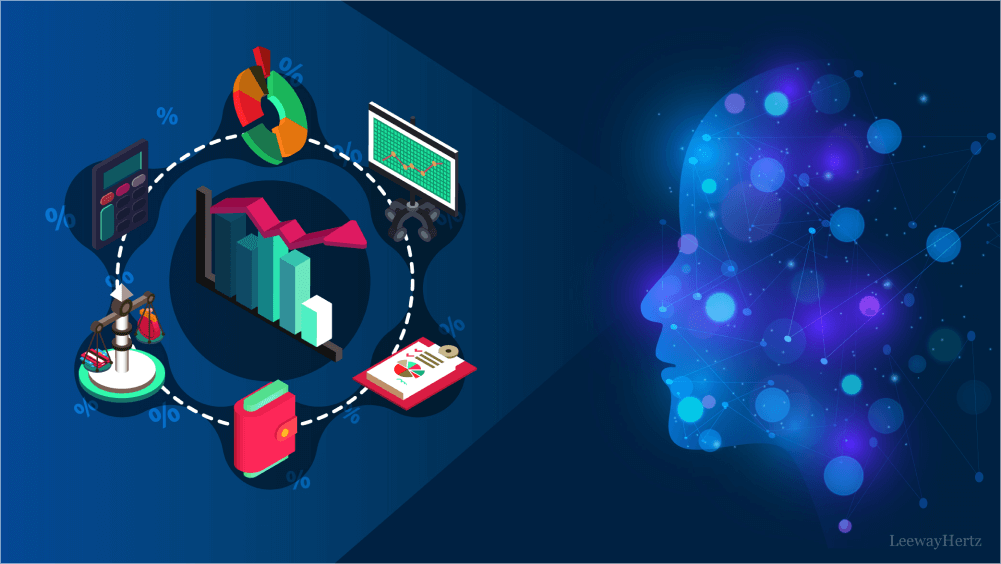
The Customer Intelligence Revolution: Turning Conversations and Data Into Business Growth
admin August 1, 2026
The New Era of Customer Intelligence
The relationship between businesses and customers has entered a new stage of transformation. In the past, companies competed primarily through product quality, pricing strategies, and operational efficiency. While these factors remain important, modern markets have created a new competitive environment where understanding customers has become one of the most valuable business capabilities.
Customers today generate enormous amounts of information through every interaction with a company. They search for products online, communicate through messaging platforms, leave reviews, contact support teams, engage on social media, and share opinions through digital channels. Each conversation represents a valuable source of insight into customer needs, expectations, frustrations, and future behavior.
However, information alone does not create competitive advantage. The real value comes from the ability to transform conversations and data into actionable intelligence. This process has created what many organizations now recognize as the customer intelligence revolution.
Customer intelligence combines data analytics, artificial intelligence, machine learning, natural language processing, and human expertise to create a deeper understanding of customer behavior. It allows businesses to move beyond assumptions and develop decisions based on real customer signals.
The organizations that successfully embrace customer intelligence can improve customer experiences, increase loyalty, optimize marketing strategies, create better products, and discover new opportunities for growth.
From Customer Data Collection to Customer Intelligence
For many years, businesses focused on collecting customer data. They tracked sales numbers, gathered demographic information, analyzed purchase histories, and conducted customer surveys.
This information helped organizations understand basic customer patterns. Companies could determine which products sold well, which markets were growing, and which customer segments generated the most revenue.
However, traditional data collection had limitations. Numbers could show what customers purchased, but they could not always explain why customers made those decisions. Reports could identify declining sales, but they often could not reveal the emotional reasons behind customer dissatisfaction.
Customer intelligence represents a deeper approach. Instead of simply collecting information, organizations analyze customer signals from multiple sources to understand motivations, preferences, expectations, and future needs.
The difference is significant. Data describes events. Intelligence explains meaning and supports better decisions.
The Power of Customer Conversations as Business Intelligence
Customer conversations have always been one of the most valuable sources of business insight. Every interaction between a customer and a company contains information about expectations, problems, and opportunities.
A customer support conversation may reveal a product weakness. A sales discussion may highlight changing market demands. A social media comment may reveal emerging customer trends before they appear in traditional market research.
Historically, businesses struggled to analyze these conversations at scale. Thousands or millions of customer interactions created too much information for manual review.
Artificial intelligence has changed this situation. Modern AI systems can analyze large volumes of conversations, identify common themes, understand sentiment, and discover patterns that help organizations make better decisions.
Customer conversations are no longer just service interactions. They have become strategic sources of intelligence.

How Artificial Intelligence Transforms Customer Conversations Into Insights
Artificial intelligence has become a central technology in the customer intelligence revolution. AI enables organizations to analyze complex customer interactions and extract meaningful information from unstructured data.
Natural language processing allows machines to understand human language, including written messages, reviews, emails, and voice conversations. AI systems can identify topics, emotions, intentions, and recurring problems.
For example, an organization may analyze thousands of customer support conversations and discover that many customers experience difficulties with the same feature. Product teams can use this information to improve future versions.
Marketing teams can analyze customer discussions to understand what messages resonate most strongly. Sales teams can identify common questions and objections to improve communication strategies.
AI transforms customer conversations from isolated interactions into a continuous source of strategic knowledge.
Understanding Customer Sentiment and Emotional Signals
One of the most powerful aspects of customer intelligence is the ability to understand emotions behind customer communication.
Customer satisfaction is not determined only by what people buy. It is influenced by how they feel about their interactions with a brand.
Sentiment analysis allows organizations to identify whether customers are expressing positive, negative, or neutral opinions. More advanced AI systems can detect frustration, confusion, excitement, disappointment, or urgency.
Understanding emotional signals helps businesses respond more effectively.
For example, a customer who repeatedly contacts support about the same problem may not simply need technical assistance. They may be losing confidence in the brand. Recognizing this emotional context allows companies to take more meaningful action.
Customer intelligence creates a more human understanding of digital interactions.
Creating a Complete Customer View Through Data Integration
One of the biggest challenges organizations face is fragmented customer information. Customer data is often distributed across different departments and systems.
Marketing teams may have campaign engagement data. Sales teams may have purchase information. Customer service teams may have conversation histories. Product teams may have usage statistics.
When this information remains separated, businesses see only partial views of customers.
Customer intelligence requires integrating different sources into a unified understanding of the customer journey.
By combining behavioral data, transactional information, communication history, and feedback, organizations can create a complete customer profile.
This unified perspective allows companies to understand customers more accurately and deliver more consistent experiences across every interaction.
Personalization Powered by Customer Intelligence
Personalization has become a major expectation among modern consumers. Customers want businesses to provide relevant recommendations, communication, and experiences.
However, effective personalization requires more than adding a customer’s name to an email. True personalization depends on understanding individual needs and context.
Customer intelligence enables organizations to create more meaningful personalized experiences by analyzing behavior, preferences, and interactions.
A retailer can recommend products based on customer interests. A financial company can suggest services based on changing customer situations. A digital platform can adapt content based on user behavior.
The goal is not simply to sell more products. The goal is to create experiences that feel valuable and relevant.
Predictive Customer Intelligence: Moving From Reaction to Anticipation
The next stage of customer intelligence is predictive capability. Businesses are no longer limited to understanding what customers have done in the past. They can analyze patterns to predict future behavior.
Predictive analytics helps organizations identify potential opportunities and risks.
Companies can predict which customers may be interested in a new product, which users may stop engaging, and what types of experiences may increase satisfaction.
For example, a subscription company can identify customers who show signs of possible cancellation and provide targeted support before they leave.
A retailer can predict seasonal demand and optimize inventory decisions.
Predictive customer intelligence allows businesses to act before customer needs become obvious.
Improving Customer Experience Through Intelligent Decision-Making
Customer experience has become one of the strongest drivers of business growth. Customers who receive convenient, relevant, and consistent experiences are more likely to remain loyal.
Customer intelligence improves experience management by helping organizations understand where improvements are needed.
Analytics can reveal problems within the customer journey, such as difficult purchasing processes, repeated support issues, or confusing communication.
Businesses can then use these insights to redesign processes and remove obstacles.
Instead of making decisions based on assumptions, companies can continuously improve experiences based on real customer behavior.
The Role of Customer Intelligence in Marketing Growth
Marketing has been significantly transformed by customer intelligence. Traditional marketing strategies often relied on broad audience categories and general assumptions.
Modern marketing uses customer intelligence to create more precise and effective campaigns.
Businesses can understand which messages attract attention, which channels generate engagement, and which customers are most likely to respond.
AI-powered analytics can help marketers optimize campaigns in real time, adjusting strategies based on customer reactions.
This creates more efficient marketing because companies spend resources on activities that generate meaningful results.
Customer intelligence allows marketing to become more customer-centered and data-driven.
Customer Intelligence and Product Development
Customer intelligence is also changing how companies develop products and services.
Instead of relying only on internal ideas or market assumptions, organizations can use customer insights to understand what people truly need.
Customer feedback, reviews, usage patterns, and support conversations provide valuable information about product strengths and weaknesses.
Product teams can identify missing features, usability problems, and opportunities for improvement.
This creates a more customer-focused development process where products evolve according to real-world needs.
Companies that listen effectively to customers can create solutions that deliver greater value.
The Impact of Generative AI on Customer Intelligence
Generative AI is introducing another major transformation in how businesses understand and interact with customers.
Unlike traditional analytical systems that mainly identify patterns, generative AI can create responses, summaries, recommendations, and personalized content.
For customer intelligence, this means organizations can analyze information and immediately generate useful outputs.
For example, AI can summarize thousands of customer conversations, create reports for business teams, suggest responses for customer service agents, and generate personalized communication.
Generative AI accelerates the connection between insight and action.
It reduces the time required to transform customer information into business decisions.
Building Trust and Protecting Customer Data
The growth of customer intelligence also creates important responsibilities. Businesses must manage customer information carefully and maintain trust.
Customers increasingly expect companies to provide personalized experiences while respecting privacy.
Organizations must establish transparent data practices, protect sensitive information, and use AI responsibly.
Customer intelligence should not become a tool for excessive monitoring or manipulation. Its purpose should be to create better experiences and stronger relationships.
Trust will become one of the most important factors determining which companies succeed in the era of intelligent customer management.
Challenges in Creating a Customer Intelligence Strategy
Although customer intelligence provides significant opportunities, organizations face several challenges when implementing these strategies.
One challenge is data complexity. Companies often have large amounts of information but lack the systems needed to organize and analyze it effectively.
Another challenge is creating cooperation between departments. Customer intelligence requires collaboration between marketing, sales, customer service, technology, and leadership teams.
Organizations also need employees who can interpret insights and translate them into meaningful business actions.
Technology alone cannot create customer intelligence. Success requires a combination of advanced tools, quality data, strategic thinking, and customer-focused culture.
The Future of Customer Intelligence and Business Growth
The future of customer intelligence will be defined by deeper AI capabilities, real-time analysis, and increasingly personalized experiences.
Businesses will move toward continuous customer understanding, where every interaction contributes to improving future decisions.
AI systems will become better at understanding context, predicting needs, and supporting more natural conversations between customers and brands.
Organizations will increasingly use customer intelligence not only to improve marketing and service but also to guide overall business strategy.
The companies that succeed will be those that treat customer understanding as a core organizational capability rather than a separate analytical function.
Conclusion: Turning Customer Understanding Into Competitive Advantage
The customer intelligence revolution is changing the way businesses build relationships, make decisions, and create growth strategies.
By transforming conversations and data into meaningful insights, organizations can better understand customer needs, anticipate future behavior, and deliver experiences that create long-term value.
Artificial intelligence provides powerful tools for analyzing information at a scale that was previously impossible. However, the true power of customer intelligence comes from combining technology with human understanding.
Businesses that successfully transform customer information into action will be better prepared for the future. They will create stronger relationships, develop better products, and discover new opportunities for sustainable growth.
In the modern economy, the ability to understand customers is no longer just an advantage. It has become one of the most important foundations of business success.